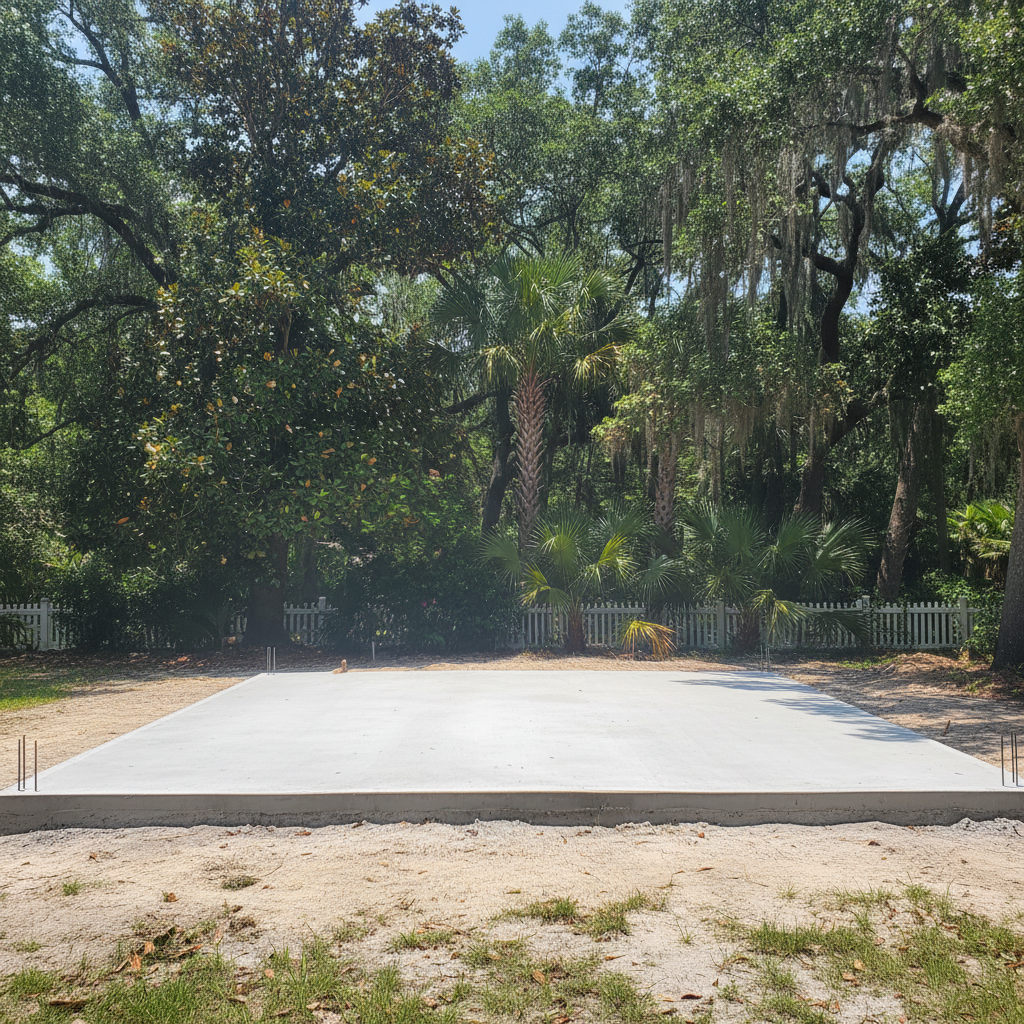
If you live in New Orleans, you already know our weather is completely unique. And that goes double for what it does to your home's concrete foundation. It's not just the heat we deal with; it's the humidity, the constant rain, the soil itself, and how all those things team up to try and mess with your biggest investment.
I've been working with concrete foundations here for years now, and believe me, I've seen everything. From the shifting soils over in Gentilly to the high water table in the Lower Ninth Ward, every single job is a little different, you know? But some basic truths apply to keeping your foundation solid, and a lot of it comes down to understanding our seasons.
When's the Best Time for Concrete Work?
This is probably the question I get asked most often, and for good reason. You really don't want to pour concrete when the conditions are wrong, or you're just setting yourself up for problems down the road. For foundation work — whether we're talking repairs, leveling, or putting in a whole new pour — timing is absolutely everything.
Generally, I tell people that the sweet spot for big concrete foundation projects in New Orleans is late fall through early spring. Think October, November, and then February, March, April. Why those months specifically?
- Temperature: Concrete cures best when the temperature is moderate. We're talking somewhere between 50 and 80 degrees Fahrenheit. If it's summer, it's just too hot, and the concrete dries way too fast, which can easily lead to cracking. In the dead of winter, if it gets too cold (which doesn't happen often here, but it does sometimes), the curing process slows down too much.
- Humidity: Our humidity is always high, let's be honest, but it's a bit more manageable during those cooler months. Really high humidity can mess with drying times and the overall strength if we don't account for it properly.
- Rain: Sure, we get rain all year, but those specific months often have more predictable patterns and fewer of those torrential downpours you see during, say, hurricane season. You definitely don't want a fresh pour getting washed out or diluted.
Now, that doesn't mean we can't do work outside those windows. We absolutely can, but it just takes more careful planning, extra additives, and more protection. For example, if we're pouring in July, we're taking extra steps to keep the concrete cool and slow its drying process. It's just a lot more straightforward, and honestly, usually better for the concrete itself, to hit those ideal conditions.
Weather Conditions That Really Matter
Beyond the season, specific weather conditions on any given day can totally make or break a concrete job. You'd be surprised how many homeowners don't realize this, but for us, it's absolutely critical.
- Heavy Rain: This is the big one. You simply cannot pour concrete in a downpour. It dilutes the mix, washes away the cement, and just weakens the whole thing. If rain is in the forecast, we're rescheduling. No exceptions.
- Extreme Heat: Like I said, if it's too hot, concrete dries out way too fast. This creates internal stresses and can cause surface cracking or make it less strong. We do have ways to deal with this – using chilled water in the mix, adding retarders, or covering the fresh concrete with wet burlap – but it's always a challenge.
- Strong Winds: Wind can also speed up surface drying, kind of like heat does. It strips moisture away, which is definitely not what you want during the initial curing phase.
- Freezing Temperatures: While rare, if temperatures drop below freezing, especially within the first 24-48 hours after a pour, it can seriously damage the concrete's strength and durability. The water in the mix expands as it freezes, creating internal voids. We're not usually dealing with this much in NOLA, but if a cold snap hits, we're on high alert.
A good contractor, like us at Omega Concrete Solutions, is always checking the forecast and making smart calls. We'd rather delay a day or two than do a job that won't last.
Protecting Your Concrete Foundation Year-Round
Once your foundation is solid, your job isn't quite over. You've got to protect that investment, right? Here's what you should be doing, no matter the season:
- Drainage, Drainage, Drainage: I truly can't stress this enough. Our high water table and heavy rains mean managing water is super important. Make sure your gutters are clean and directing water away from your foundation – at least 5-10 feet out. Check your grading; the ground around your house should always slope away from the foundation, never towards it. Standing water near your foundation is just asking for trouble, leading to soil expansion and contraction that puts immense pressure on your concrete.
- Keep an Eye on Trees: Our beautiful live oaks are definitely part of New Orleans' charm, but their roots can be a real menace to foundations. They seek out moisture and can either push on things or even pull moisture from the soil, causing settlement. If you've got large trees close to your house, talk to an arborist and keep watching your foundation for cracks.
- Regular Inspections: Take a walk around your house a few times a year. Look for new cracks in the foundation walls, any uneven settlement, or changes in how your drainage is working. Catching small issues early is always much easier and cheaper to fix than waiting for big ones.
- Mind Your Landscaping: Heavy shrubbery planted right up against your foundation can trap moisture against the concrete, which isn't ideal at all. Give your foundation some breathing room.
- Sealants (Sometimes): For certain types of concrete foundations, especially if you have a basement or crawl space, a good sealant can really help with moisture getting in. This isn't always necessary for slab-on-grade foundations, but it's worth talking about with a pro if you're having moisture issues.
Your home's foundation is its backbone, especially here in New Orleans where the ground is always doing its own thing. Pay attention to the seasons, understand how the weather impacts your concrete, and take those year-round protective steps. It'll save you a lot of headaches and money in the long run, believe me.