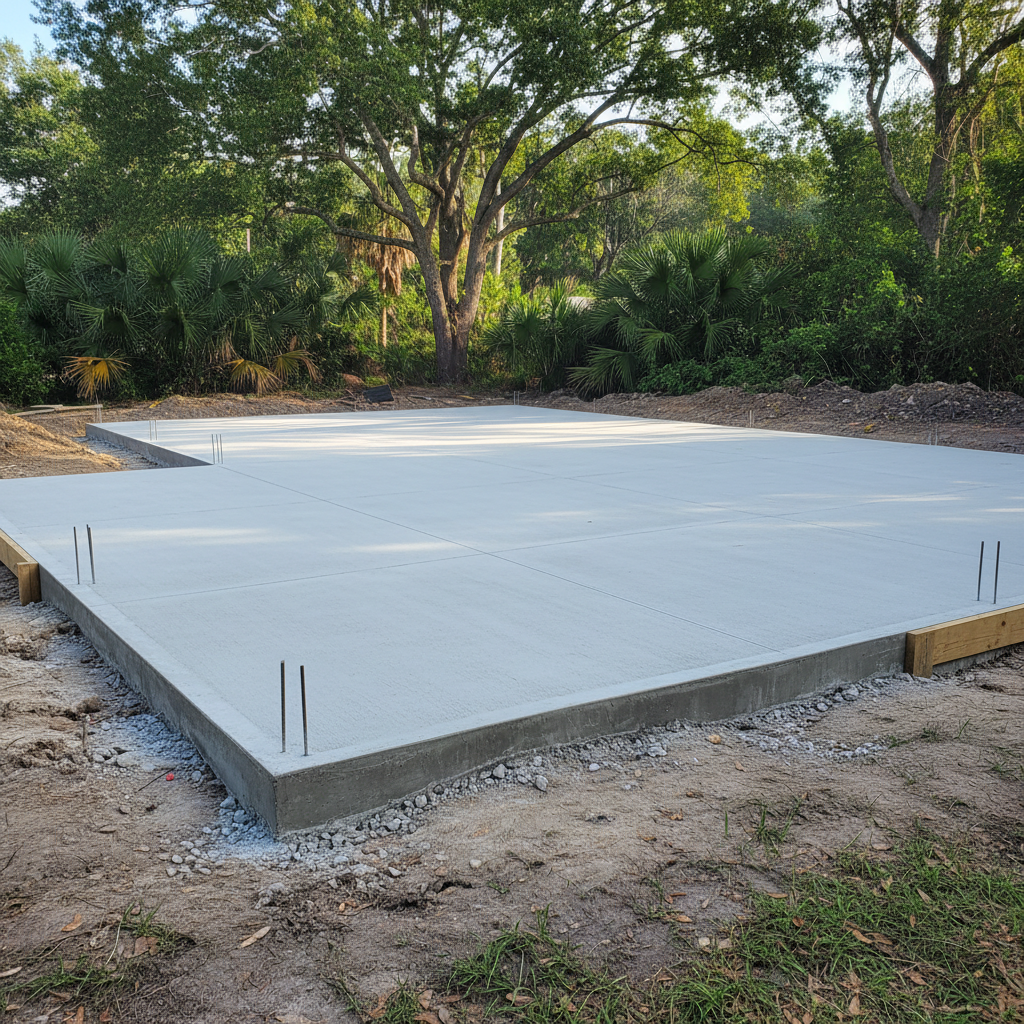
So, you're looking to get some concrete work done, maybe a new foundation for an addition, or fixing up an existing one. That's a big deal, especially here in New Orleans. I've been doing this for a long time, and honestly, I've seen folks make the same mistakes over and over. It costs them time, money, and a whole lot of headaches. Let's talk about how you can avoid that.
Mistake #1: Not Understanding the Soil You're Building On
This is probably the biggest one, and it's super unique to our area. You can't just pour concrete anywhere in New Orleans and expect it to hold up. We're built on a swamp, plain and simple. That means we've got soft, often organic-rich soil that moves and settles. If your contractor doesn't do their homework on the soil conditions, you're in for trouble. I've seen foundations crack within a year because someone skipped the soil testing or didn't account for the high water table that's common in places like Gentilly.
A good contractor, like us at Omega Concrete Solutions, will insist on understanding what's underneath before we even think about pouring. This might mean soil borings, engineering reports, or at least a very thorough visual inspection and discussion about drainage. If a contractor just gives you a quote over the phone without ever looking at your property or asking about the ground, that's a massive red flag. They're guessing, and you really don't want to gamble with your foundation.
Mistake #2: Going with the Cheapest Bid Without Asking Why
Everyone wants to save a buck, I get it. But when it comes to your foundation, 'cheap' often means 'cut corners.' I've seen bids come in ridiculously low, and it's almost always because they're planning to skimp on materials, labor, or proper preparation. They might use less rebar than necessary, pour a thinner slab, or not compact the sub-base properly. These aren't things you'll see on day one, but they'll definitely show up a few years down the line when you've got cracks and uneven floors.
Ask questions. A lot of them. Why is your bid so much lower than the others? What kind of concrete mix are you using? How much rebar? How thick will the slab be? What's your process for preparing the ground? If they get defensive or can't give you clear answers, walk away. A reputable contractor will be upfront about their pricing and their process.
Mistake #3: Skipping Permits and Inspections
Look, nobody loves dealing with city bureaucracy, especially here. But permits and inspections aren't just red tape; they're there to protect you. When you pull a permit for a foundation project, it means the city's building department will send an inspector out to make sure the work is being done to code. They'll check things like the rebar placement before the pour, the formwork, and sometimes even the soil preparation.
If a contractor tells you, "Oh, we don't need a permit for this," or "We can just do it on the sly," that's a huge problem. They're trying to avoid accountability. Without those inspections, there's no official oversight to ensure the work is done correctly. If something goes wrong later, you'll have no recourse, and you might even face fines from the city. Always insist on proper permitting.
Mistake #4: Not Getting Everything in Writing
This one seems obvious, but you'd be surprised how many folks rely on a handshake. A detailed contract protects both you and the contractor. It should clearly outline the scope of work, materials to be used (concrete PSI, rebar size/spacing), timelines, payment schedule, warranty information, and what happens if there are unexpected issues. What about site cleanup? Who's responsible for that?
If a contractor is vague or hesitant to put everything down on paper, that's a major warning sign. You need to know exactly what you're paying for and what to expect. Don't sign anything you don't understand, and don't be afraid to ask for clarification or even have an attorney look it over if it's a really big job.
Mistake #5: Ignoring Drainage Around the Foundation
We get a lot of rain here in New Orleans. A lot. If your foundation doesn't have proper drainage around it, all that water is going to sit there, soak into the ground, and put pressure on your slab. This can lead to settlement, cracks, and even water intrusion into your home. I've seen perfectly good foundations fail prematurely because the homeowner or contractor didn't think about grading or gutters.
When you're planning your foundation project, always discuss drainage. The ground around your foundation should slope away from the structure, not towards it. Make sure your gutters are in good shape and direct water far away from the foundation. It's an often-overlooked detail that can save you a ton of grief down the road.
Your home's foundation is, well, its foundation. It's not the place to cut corners or make assumptions. Do your homework, ask the tough questions, and work with someone who knows our unique New Orleans conditions. You'll be glad you did.